


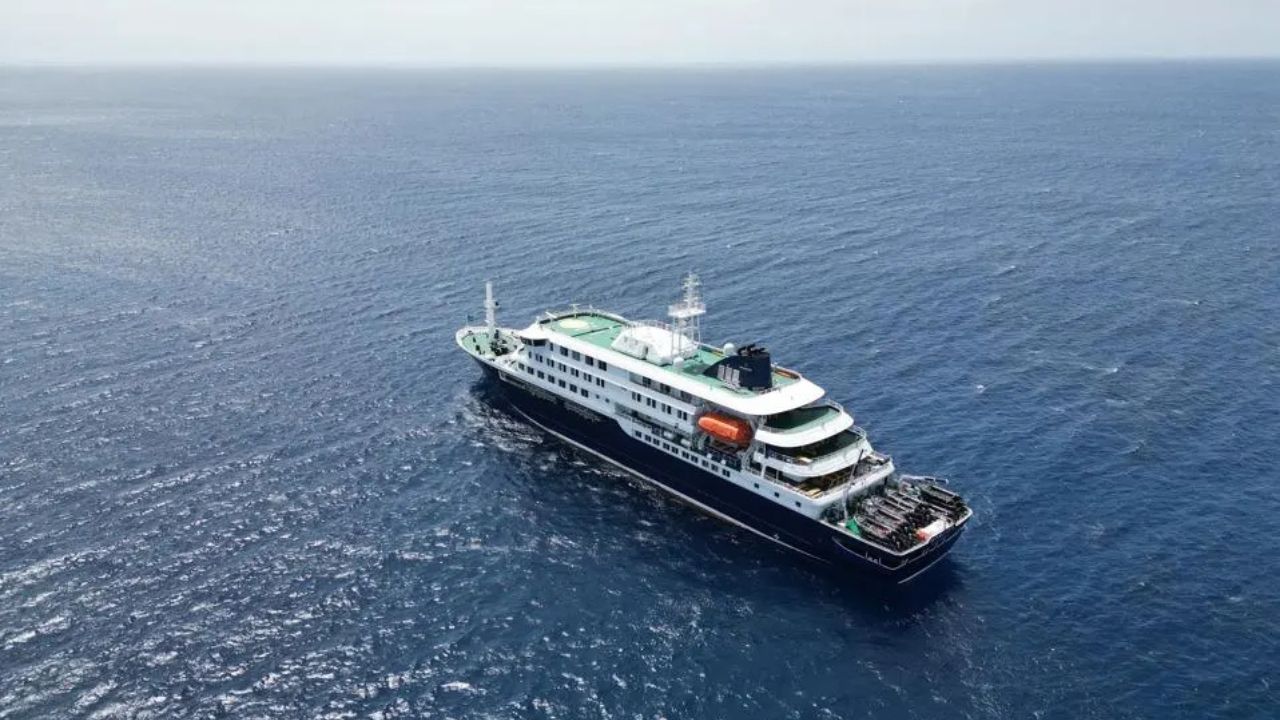
Hantavirus outbreak on cruise ship sparks global concern as experts question U.S. preparedness and officials monitor travelers.
A growing hantavirus outbreak linked to a luxury expedition cruise ship has triggered international concern after multiple deaths, confirmed infections, and a worldwide contact-tracing operation involving passengers from several countries.
The outbreak aboard the Dutch-flagged MV Hondius has already resulted in at least three deaths and several confirmed or suspected cases, according to global health authorities. While officials continue to stress that the overall public risk remains low, infectious disease experts are raising new questions about whether the United States is fully prepared for a potential wider outbreak.
Trump Says Americans “Should Be Fine”
President Donald Trump addressed the situation this week after reports confirmed that American passengers had been onboard the affected vessel.
Speaking to reporters, Trump said Americans “should be fine” and expressed confidence that the outbreak would remain under control. U.S. health agencies have also attempted to reassure the public that the risk of widespread transmission remains extremely low. (Forbes)
However, several public health experts say the situation has exposed weaknesses in outbreak communication and emergency preparedness, especially as the virus continues spreading across international borders.
What Is Hantavirus?
Hantavirus is a rare but potentially deadly disease typically spread through contact with infected rodents, including exposure to their urine, saliva, or droppings.
The strain involved in the current outbreak appears to be the Andes virus, a rare form of hantavirus known for limited human-to-human transmission. Experts say this makes the current outbreak far more concerning than traditional hantavirus cases. (Business Insider)
Symptoms often begin with fever, fatigue, headaches, and muscle pain before progressing to severe respiratory complications in serious cases.
Health officials say there is currently no specific cure or vaccine for the disease.
Cruise Ship at Center of Global Investigation
The outbreak originated aboard the MV Hondius after passengers reportedly traveled through parts of South America, including Argentina and Chile, where the Andes virus naturally circulates.
The first known passenger reportedly became ill shortly after boarding the vessel. Additional infections later emerged among passengers and crew during the voyage across the Atlantic Ocean. (The Washington Post)
Authorities are now tracing travelers from more than a dozen countries, including the United States, Canada, the United Kingdom, Germany, France, Switzerland, and South Africa.
Passengers who left the ship before quarantine measures were introduced are now being monitored by health agencies worldwide.
CDC and WHO Monitoring Returning Americans
Several American passengers have already returned home and are currently being monitored by state health departments in Arizona, California, Georgia, Texas, and Virginia. Officials say none of the monitored travelers have reported symptoms so far. (The Washington Post)
The Centers for Disease Control and Prevention has reportedly activated a Level 3 emergency response while coordinating with the World Health Organization and international authorities. (New York Post)
Still, some infectious disease specialists argue the U.S. response has lacked transparency and urgency.
Experts criticized the limited public communication from federal agencies during the early stages of the outbreak, warning that delayed information can damage public trust during global health emergencies. (The Washington Post)
WHO Says Risk of Pandemic Remains Low
Despite growing attention online, the WHO has repeatedly emphasized that the hantavirus outbreak is not expected to become another COVID-19-style pandemic.
Health officials say the virus spreads very differently from airborne respiratory viruses and usually requires prolonged close contact for human transmission. (The Guardian)
Medical experts also note that hantavirus infections remain extremely rare worldwide, even though the disease carries a high fatality rate in severe cases.
Still, the unusual circumstances of the cruise ship outbreak — including international travel, multiple infections, and possible human-to-human transmission — have intensified global monitoring efforts.
Cruise Industry Faces New Questions
The incident is also placing renewed pressure on the cruise industry, which continues rebuilding public trust years after the COVID-19 pandemic devastated global tourism.
Health specialists say cruise ships remain uniquely vulnerable during infectious disease outbreaks because passengers spend extended periods in confined spaces with shared facilities and close personal contact. (New York Post)
The MV Hondius is currently heading toward the Canary Islands, where authorities are preparing strict disembarkation and isolation procedures for passengers and crew.
As investigations continue, scientists are still trying to determine exactly how the virus spread onboard and whether additional cases may emerge in the coming weeks.
For now, global health officials insist the outbreak appears contained — but they warn that monitoring efforts will remain critical due to the virus’s long incubation period. (The Washington Post)