


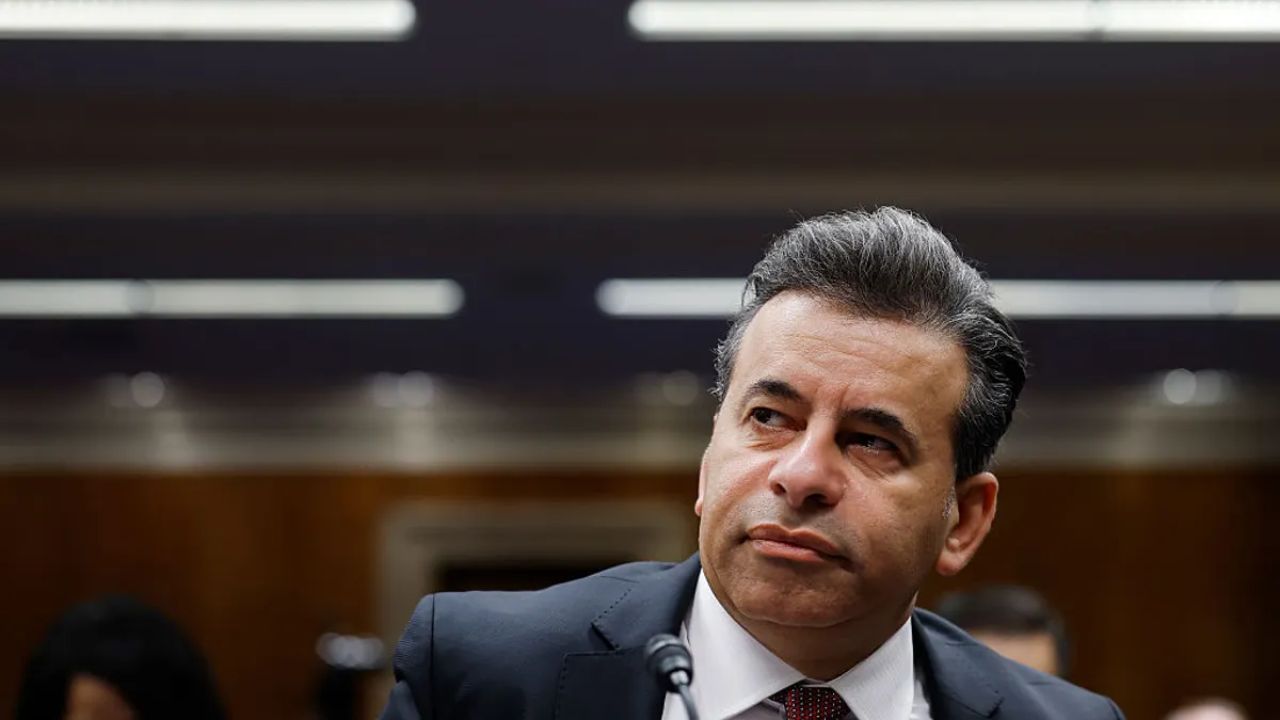
FDA Commissioner Marty Makary resigned May 12, 2026, after clashing with Trump over flavored e-cigarettes, DOGE layoffs, and industry backlash during his 13-month tenure.
Dr. Marty Makary stepped down as Commissioner of the Food and Drug Administration on Tuesday, bringing a turbulent 13-month chapter at one of the country’s most powerful regulatory agencies to a close. His resignation, confirmed by a senior administration official, came after days of reporting that President Donald Trump had signed off on removing him, and after a very public breakdown in trust over a decision that Makary believed could harm young Americans.
President Trump, speaking to reporters outside the White House as he prepared to depart for meetings with China’s President Xi Jinping, offered a warm but candid send-off. He called Makary “a great guy” and “a wonderful man,” but acknowledged the friction. “He was having some difficulty,” the president said. “He’s a great doctor. But he’s going to go on and he’s going to do well.” Shortly after, Trump posted to Truth Social a screenshot of Makary’s resignation text and announced that Kyle Diamantas, the FDA’s deputy commissioner for food, would step in as acting commissioner.
The Breaking Point: Flavored E-Cigarettes
The proximate cause of Makary’s departure was a confrontation over flavored, fruit-scented e-cigarettes manufactured by the vaping company Glas Inc. On May 6, the FDA authorized the sale of those products, a notable reversal of prior agency posture and one that drew sharp criticism from health advocates concerned about their appeal to teenagers and young adults.
According to reporting from The Wall Street Journal and The New York Times, President Trump personally pressed Makary to approve the flavored vapes, a request the commissioner resisted for weeks. He ultimately gave way under mounting pressure from within the administration, but sources told CBS News that the episode proved to be the decisive factor in his decision to resign. He had opposed the approval on public health grounds and, having been forced to sign off anyway, chose not to continue in the role.
Marty is a great guy. He’s a friend of mine. He’s a wonderful man, and he’s going to go on and he’s going to lead a good life.”
FDA Commissioner Marty Makary: A Tenure Defined by Turbulence
Makary was confirmed as FDA Commissioner on March 25, 2025, in a 56-to-44 Senate vote that drew bipartisan support, with three Democrats crossing the aisle to back his nomination. He arrived with a mandate to streamline what the Trump administration viewed as an overly cautious and bureaucratic agency, and he embraced that mission publicly from day one.
But the road was rocky almost immediately. Just days after his confirmation, the Department of Government Efficiency, or DOGE, carried out mass firings across the FDA, leaving hundreds of positions vacant. Many experienced career officials resigned or were pushed out in the months that followed, hollowing out institutional knowledge at an agency responsible for approving the drugs, devices, and food that Americans rely on every day.
Makary sought to accelerate the drug approval process by championing a model built on single pivotal clinical trials rather than the conventional two-trial standard. The idea was to move faster and reduce the regulatory burden on innovative drug developers. In practice, however, his agency simultaneously requested additional studies from some companies seeking approval, a contradiction that frustrated industry stakeholders and raised questions about coherent policy direction.
Clashes With Industry and Lawmakers
Makary’s relationship with the pharmaceutical industry was consistently strained. Drugmakers grew frustrated with his management of the approval pipeline, while advocacy groups representing patients pushed back against decisions they believed were either too slow or too poorly explained. Physicians, too, raised concerns at various points during his tenure.
On Capitol Hill, tensions had been building as well. Makary had been scheduled to testify before a Senate committee on Wednesday, the day after his resignation, adding a layer of political awkwardness to his departure. His clashes with lawmakers from both parties were reported in the days leading up to his exit, signaling that the erosion of confidence in his leadership extended beyond the executive branch.
Before entering government, Makary was known primarily as a surgeon and health policy researcher at Johns Hopkins University School of Medicine. During the COVID-19 pandemic, he became a prominent media figure, arguing against vaccine mandates, criticizing mask guidance for children, and taking issue with how federal health agencies relied on international data rather than conducting their own research. Those positions made him a natural fit for an administration skeptical of the public health establishment, and Trump cited his desire to restore public trust in the FDA when nominating him in late 2024.
Makary’s tenure was marked by internal dysfunction at the FDA, leadership turmoil, and mounting backlash from drugmakers, physicians, and patient groups.”
What Comes Next for the FDA
Kyle Diamantas, who previously oversaw the FDA’s food safety division, will serve as acting commissioner while the administration conducts a search for a permanent replacement. Trump called Diamantas “a very talented person” and said the transition would move forward quickly. The administration released a brief statement saying the search for a new commissioner is already underway and that the process would proceed with urgency.
The leadership change arrives at a particularly sensitive moment for the agency. The FDA oversees the approval of prescription drugs, medical devices, food safety standards, tobacco and nicotine products, and the nation’s vaccine supply, among other responsibilities. The disruption caused by DOGE-driven layoffs over the past year has left many divisions short-staffed, and there are ongoing questions about the agency’s capacity to manage its core functions at full effectiveness.
Health policy analysts and former agency officials have expressed concern that frequent leadership changes and institutional instability can have lasting effects on how the FDA operates, how industry plans its own regulatory timelines, and ultimately how quickly safe and effective treatments reach patients who need them.
Makary’s exit marks the latest in a series of significant leadership changes within federal health agencies under the second Trump administration. His departure raises fresh questions about the direction of the FDA at a time when the agency faces a complicated combination of internal staffing shortages, shifting regulatory priorities, and a drug approval landscape that industry observers say remains unpredictable. For now, all eyes will be on Diamantas and whoever the administration nominates to lead the agency on a permanent basis.