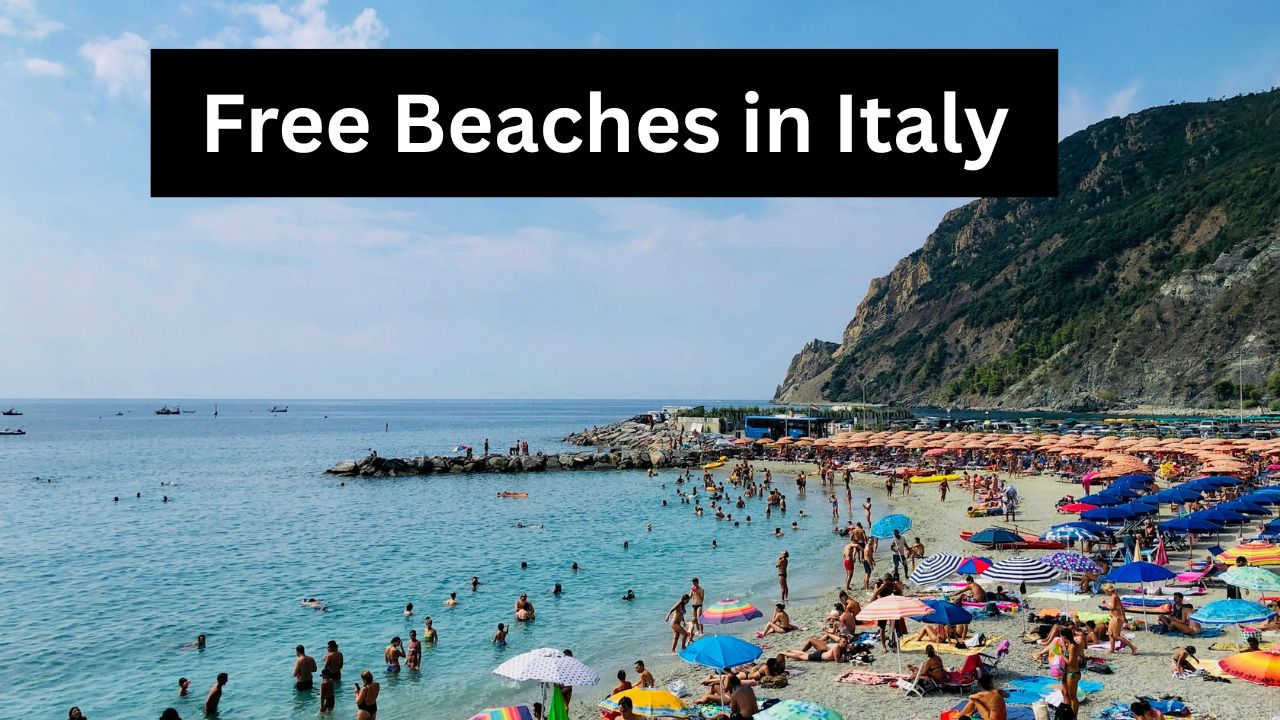

Free Beaches in Italy: If you’ve ever dreamed of stretching out on an Italian beach without paying a single euro, you might be surprised to learn that it’s not as easy as it sounds. Italy’s coastline is famous for its beauty, but a large portion of it is controlled by private beach clubs. These establishments often charge for sunbeds, umbrellas, and even access to certain parts of the shore. That’s why discovering a free, natural beach in Italy feels like finding hidden treasure.
According to recent travel insights, many of Italy’s most iconic coastal destinations—from the Amalfi Coast to Cinque Terre—are dominated by private setups, leaving only limited public access. This makes “spiaggia libera” (free beach) areas incredibly valuable, especially for travelers seeking authenticity and freedom.
But here’s the interesting part—free beaches aren’t just about saving money. They often represent the most untouched, raw, and beautiful parts of Italy’s coastline. Think rugged cliffs, wild forests, crystal-clear water, and zero commercialization. These beaches let you experience Italy the way locals do—simple, relaxed, and deeply connected to nature.
So, if you’re tired of crowded beach clubs and overpriced loungers, this guide will take you to six of the most stunning, natural, and completely free beaches in Italy.
🏝️ Riviera del Conero, Marche – Italy’s Hidden Coastal Gem
Tucked away in the region of Marche, the Riviera del Conero feels like Italy’s best-kept secret. Unlike the overcrowded Amalfi Coast, this stretch of coastline remains refreshingly untouched by mass tourism. It’s the kind of place where you’ll hear more Italian than English, giving you a truly local experience.
What makes this destination stand out is its dramatic landscape. Imagine towering limestone cliffs covered in lush pine trees, dropping down into emerald-green waters. The beaches here aren’t just scenic—they’re cinematic. The combination of white pebbles, crystal-clear water, and forested backdrops creates a setting that feels almost unreal.
Two standout spots here are Sirolo Beach and Portonovo Bay. Sirolo requires a short walk through winding forest paths, but the reward is a serene, spacious beach where you can lay your towel freely. Portonovo, on the other hand, blends retro charm with natural beauty, offering both free areas and optional paid facilities.
This region is perfect for travelers who want to escape crowds without compromising on beauty. Whether you’re snorkeling in the clear waters or simply soaking in the views, Riviera del Conero delivers an experience that feels both luxurious and completely natural.
🌄 Gargano, Puglia – Wild Coastline and Secret Coves
If you’re someone who prefers adventure over comfort, Gargano in Puglia is calling your name. This rugged peninsula, located in northern Puglia, offers a completely different vibe compared to the polished beaches of southern Italy. Here, nature is raw, dramatic, and untamed.
The coastline is dotted with hidden coves, sea caves, and long stretches of pebbled beaches framed by olive groves. One of the highlights is Portogreco, a small, secluded beach surrounded by rocky formations and caves. It’s perfect for snorkeling, thanks to its crystal-clear waters and rich marine life.
Another must-visit is Vignanotica Beach, known for its towering limestone cliffs that provide natural shade in the afternoon. This makes it ideal for long, relaxing beach days without worrying about the scorching sun.
What sets Gargano apart is its sense of discovery. Getting to some of these beaches requires effort—whether it’s hiking or navigating winding coastal roads—but that’s exactly what keeps them uncrowded and pristine. It’s not just a beach destination; it’s an experience that rewards curiosity and exploration.
🚤 Ponza, Lazio – A Dream Island Escape
Just a short ferry ride from mainland Lazio lies Ponza, a dreamy island that feels like it belongs in a postcard. With its pastel-colored houses and untouched landscapes, Ponza offers a perfect blend of charm and natural beauty.
The island’s most famous free beach is Frontone Beach, which you can reach by water taxi. While parts of it are occupied by beach clubs, there’s still plenty of space where you can relax without spending a dime. The southern end, in particular, is popular among locals who prefer a quieter, more authentic experience.
But the real magic of Ponza lies in its hidden coves. Places like Chiaia di Luna, a crescent-shaped bay surrounded by towering cliffs, are accessible only by boat. This adds an element of adventure and exclusivity to your trip.
Ponza isn’t just about beaches—it’s about slowing down. Imagine swimming in turquoise waters, enjoying homemade Italian dishes, and watching the sunset from a quiet cliffside. It’s the kind of place that makes you forget about everything else.
🌋 Pantelleria, Sicily – Volcanic Beauty Like No Other
If you think all beaches need sand, Pantelleria will completely change your perspective. This volcanic island, located closer to Tunisia than mainland Italy, offers a unique coastal experience unlike anywhere else in Europe.
There are no traditional sandy beaches here. Instead, you’ll find flat volcanic rocks where locals sunbathe before diving into deep blue waters. It might sound unusual, but it’s incredibly beautiful—and surprisingly comfortable once you try it.
One of the top spots is Balata dei Turchi, a secluded bay perfect for snorkeling. The underwater world here is vibrant, filled with coral and colorful fish. Another highlight is Laghetto delle Ondine, a natural rock pool that feels like a private swimming pool carved by nature itself.
What makes Pantelleria special is its raw, untouched environment. The landscape is rugged, the air is salty, and the experience is deeply immersive. It’s not just a beach destination—it’s a connection with nature in its purest form.
🏖️ Elba, Tuscany – Family-Friendly Natural Beaches
For those traveling with family, Elba Island offers the perfect balance of natural beauty and accessibility. Part of the Tuscan Archipelago, Elba boasts over 90 miles of coastline filled with hidden bays and scenic beaches.
One of the best spots is Nisporto Beach, a quiet bay surrounded by pine-covered hills. The mix of sand and pebbles, along with gentle waves, makes it ideal for families with kids. The water is incredibly clear, making it perfect for snorkeling and exploring marine life.
Elba is also great for activities. You can rent a canoe, go snorkeling, or simply relax by the shore. Unlike more remote destinations, Elba offers good infrastructure, making it easy to explore without sacrificing comfort.
It’s a destination that proves you don’t have to choose between convenience and natural beauty—you can have both.
🌿 Maremma, Tuscany – Untouched Wilderness by the Sea
If your idea of a perfect beach includes silence, wildlife, and endless natural landscapes, Maremma is your paradise. Located near Grosseto, this protected regional park offers one of the most untouched coastlines in Italy.
Beaches like Marina di Alberese stretch for miles without a single umbrella or beach bar in sight. Instead, you’ll find driftwood shelters, wild horses, and even grazing cows along the dunes. It’s a place where nature takes center stage.
For those willing to explore further, Collelungo Beach offers even more seclusion. You can reach it by bike or on foot through scenic trails, adding an adventurous element to your visit.
Maremma isn’t just a beach—it’s an ecosystem. It’s where the land meets the sea in the most natural way possible, offering a truly immersive experience.
📊 Comparison Table of All 6 Beaches
| Beach Location | Best For | Unique Feature | Accessibility |
|---|---|---|---|
| Riviera del Conero | Scenic beauty | Limestone cliffs | Moderate |
| Gargano | Adventure | Sea caves & coves | Moderate |
| Ponza | Island vibes | Boat-only beaches | Moderate |
| Pantelleria | Unique landscapes | Volcanic rocks | Challenging |
| Elba | Families | Calm waters | Easy |
| Maremma | Nature lovers | Wildlife & untouched coast | Easy |
☀️ Best Time to Visit Free Beaches in Italy
Timing can make or break your beach experience in Italy. The peak summer months of July and August bring crowds, higher temperatures, and limited space even on free beaches. If you want a more relaxed experience, consider visiting during May–June or September–October.
During these shoulder seasons, the weather is still warm enough for swimming, but the crowds are significantly smaller. You’ll also get better accommodation deals and a more authentic local vibe.
🎒 Tips for Visiting Free Beaches in Italy
Visiting a free beach is different from going to a private one. You’ll need to come prepared:
- Bring your own towel or beach mat
- Carry water and snacks
- Pack an umbrella for shade
- Wear water shoes for rocky beaches
These small preparations can make a huge difference in your comfort and overall experience.
💸 Why These Beaches Are Perfect for Budget Travelers
Traveling in Italy can get expensive quickly, especially when you factor in beach club fees. Free beaches offer a way to enjoy Italy’s stunning coastline without breaking the bank.
But beyond saving money, they offer something even more valuable—freedom. No reservations, no time limits, no restrictions. Just you, the sea, and nature.
🧭 Conclusion
Italy’s coastline is often associated with luxury, exclusivity, and high prices—but that’s only part of the story. Hidden among the private beach clubs are these incredible natural, free beaches that offer a completely different experience.
From the dramatic cliffs of Riviera del Conero to the volcanic landscapes of Pantelleria, each destination brings something unique to the table. These aren’t just beaches—they’re escapes, adventures, and memories waiting to happen.
If you’re planning your next trip to Italy, skip the crowded resorts and explore these hidden gems. You might just discover a side of Italy that most tourists never see.
❓ FAQs
1. Are beaches in Italy really free?
Yes, many beaches have free sections called “spiaggia libera,” but large parts of the coastline are occupied by paid beach clubs.
2. Which is the best free beach in Italy for families?
Elba’s Nisporto Beach is ideal for families due to its calm waters and easy access.
3. Do free beaches in Italy have facilities?
Most free beaches have limited or no facilities, so it’s best to bring your own essentials.
4. Is it safe to swim at these beaches?
Yes, most of these beaches have clean and clear waters, but always check local conditions.
5. When is the best time to visit Italian beaches?
May–June and September–October offer the best balance of good weather and fewer crowds.