What Psychology: Setting goals is one of the most powerful ways to achieve success in any aspect of life, whether it’s career growth, financial stability, health improvement, or personal development. Goals provide direction, motivation, and a clear vision of what needs to be accomplished.
However, while many people set ambitious goals, only a small percentage actually achieve them. Why do some individuals succeed while others struggle to follow through? The answer lies in psychology. Scientific research has shown that the way we set goals, the strategies we use to pursue them, and the mindset we develop all play a crucial role in determining our success.
Understanding the psychological principles behind goal-setting can help us create goals that are not only achievable but also sustainable in the long run. Unlike vague resolutions or wishful thinking, effective goal-setting is rooted in cognitive and behavioral science, which explains how the brain processes objectives and motivates action. By using psychological insights, individuals can set smarter goals, stay committed to them, and ultimately turn their dreams into reality.
The Power of Clear and Specific Goals
One of the most important psychological principles behind successful goal-setting is clarity. Research conducted by Dr. Edwin Locke and Dr. Gary Latham, pioneers in goal-setting theory, found that specific and challenging goals lead to higher performance than vague or easy goals. When goals are clearly defined, the brain can create a structured plan to achieve them. For example, setting a goal like “I want to lose weight” is too vague, whereas “I want to lose 10 pounds in three months by exercising five times a week and following a healthy diet” provides a clear roadmap.
Specific goals help individuals measure progress, stay focused, and remain motivated over time. In contrast, vague goals often lead to confusion and a lack of direction, making it easier to give up. The brain works best when it has a clear target, which is why successful people break their goals into well-defined steps that can be followed systematically.
The Role of Intrinsic vs. Extrinsic Motivation
Psychologists differentiate between two types of motivation that drive goal achievement: intrinsic and extrinsic motivation. Intrinsic motivation comes from within and is fueled by personal satisfaction, passion, and a sense of purpose. Extrinsic motivation, on the other hand, is driven by external rewards such as money, social recognition, or approval from others. Studies have shown that individuals who set goals based on intrinsic motivation are more likely to persist and succeed in the long run.
For example, someone who wants to learn a new language because they genuinely enjoy it is more likely to stay committed compared to someone who is only learning for a job requirement. Intrinsically motivated goals create a deeper emotional connection, making them more fulfilling and easier to maintain even when challenges arise.
While extrinsic rewards can provide initial motivation, they often fade over time unless they are supported by an internal drive. Understanding what truly motivates an individual helps in setting goals that are meaningful and sustainable.

The Impact of the SMART Goal Framework
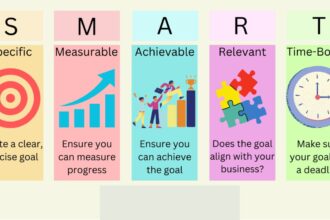
One of the most effective psychological strategies for goal-setting is the SMART framework, which stands for Specific, Measurable, Achievable, Relevant, and Time-bound. This method helps individuals create structured goals that increase the likelihood of success. Specific goals provide clarity, measurable goals allow tracking of progress, achievable goals ensure they are realistic, relevant goals align with personal values, and time-bound goals create a sense of urgency.
Research has consistently shown that people who use the SMART approach are more likely to accomplish their goals compared to those who set vague or unrealistic objectives. The reason behind this is that the SMART framework aligns with how the human brain processes goals—it breaks down large tasks into manageable steps, making them feel less overwhelming and more attainable.
For example, instead of saying, “I want to write a book,” setting a SMART goal like “I will write 500 words every day for six months to complete a 60,000-word book” increases clarity and accountability, leading to higher chances of success.
Also See: Growth Mindset vs. Fixed Mindset
The Role of Visualization in Goal-Setting
Visualization is another powerful psychological technique that enhances goal achievement. Studies in neuroscience have found that when individuals visualize themselves successfully completing a goal, the brain activates neural pathways similar to those used when actually performing the task. This means that mental rehearsal can help improve performance and increase confidence.
Athletes, for example, use visualization techniques to mentally practice their movements before competitions, which has been shown to enhance their physical execution. In personal development, visualizing success can create a stronger emotional connection to the goal, reinforcing motivation and belief in one’s ability to achieve it. However, research also suggests that visualization should be combined with action-oriented thinking. Simply imagining success without planning for obstacles can lead to unrealistic expectations and disappointment.
A balanced approach involves visualizing both the successful outcome and the challenges that might arise, along with strategies to overcome them. This prepares the mind for setbacks and increases resilience in the face of difficulties.
The Importance of Breaking Goals into Small Steps
One of the most common reasons people fail to achieve their goals is because they set overwhelming objectives without breaking them down into smaller, manageable steps. Psychological research supports the idea that small, incremental progress keeps motivation high and reduces feelings of frustration. The concept of “micro-goals” or “mini habits” has gained popularity because it aligns with how the brain builds new behaviors. Instead of setting a massive goal that feels impossible, breaking it into small daily actions makes it easier to stay consistent.
For instance, if someone wants to start exercising regularly but struggles with motivation, setting a micro-goal like doing just five minutes of stretching every morning can build momentum. Once this habit is established, it becomes easier to expand to longer workouts. This approach works because small wins create a positive feedback loop, reinforcing the belief that progress is being made. Over time, these small actions compound into significant achievements.
The Psychology of Accountability and Social Support
Another key factor in successful goal achievement is accountability. Studies have shown that people are more likely to follow through on their goals when they share them with others or have an accountability partner. This is because social expectations create a sense of responsibility and increase commitment. When individuals know that someone else is tracking their progress, they are less likely to abandon their goals. Supportive relationships also provide encouragement and motivation during difficult times.
Whether it’s a mentor, coach, friend, or online community, having a network of people who share similar goals can make a significant difference. Psychological research highlights the impact of “positive peer pressure”—surrounding oneself with people who have a strong work ethic and a success-driven mindset increases the likelihood of maintaining motivation and discipline.
The Role of Self-Discipline and Habit Formation
While motivation is important, self-discipline and habits play an even greater role in achieving long-term goals. Motivation fluctuates—it can be high at the beginning but fades over time. This is why successful goal-setters rely on discipline and habit-building rather than just motivation. According to research by Dr. Wendy Wood, a leading expert in habit formation, approximately 40% of daily behaviors are driven by habits rather than conscious decision-making.
This means that turning goal-related actions into habits reduces reliance on willpower, making it easier to stay consistent. For example, if someone wants to develop a reading habit, placing a book next to their bed and reading a few pages every night at the same time helps reinforce the behavior until it becomes automatic. The key to successful habit formation is repetition and consistency.
Conclusion
Goal-setting is not just about ambition—it’s a science that involves understanding human psychology, motivation, and behavior. The most successful individuals don’t just set goals; they use strategic techniques to ensure they follow through. By setting clear and specific goals, using the SMART framework, leveraging intrinsic motivation, practicing visualization, breaking goals into smaller steps, and relying on accountability, individuals can significantly increase their chances of success.
The science behind goal-setting proves that progress is not about luck or talent but about strategic planning and consistent effort. Those who understand these psychological principles can create a roadmap to success that is both achievable and fulfilling. Success is not just about setting goals—it’s about taking action every day to turn them into reality.