


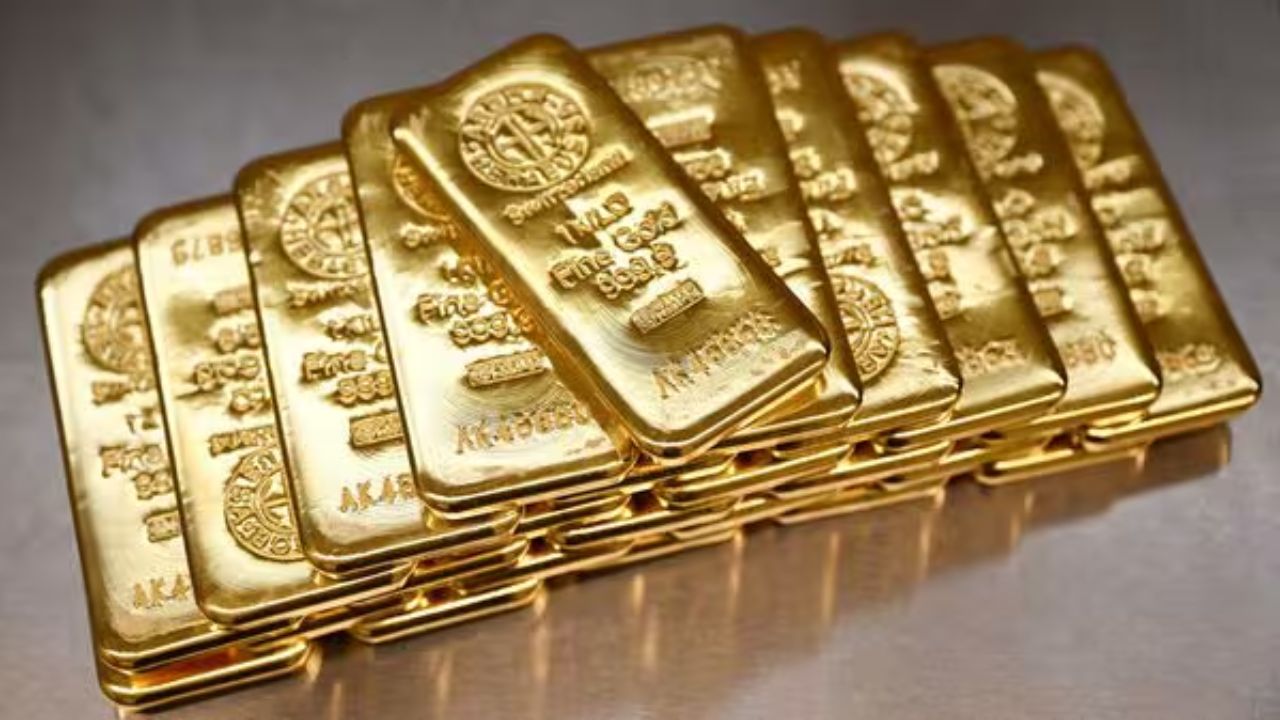
Gold prices falling despite Iran war surprises investors as oil spikes, dollar strength, and inflation fears reshape global markets.
For decades, gold has been considered the ultimate safe-haven asset during wars, geopolitical crises, and financial uncertainty. But in a surprising twist, gold prices have struggled in recent weeks even as tensions surrounding Iran continue to dominate global headlines.
Investors expected bullion to surge as conflict intensified across the Middle East. Instead, gold has slipped sharply from earlier highs, leaving many traders confused about why the traditional “fear asset” is moving in the opposite direction.
Analysts say the answer lies in a combination of rising oil prices, inflation fears, a stronger U.S. dollar, and emergency liquidity pressures in global markets.
“If there is a liquidity crunch, everything would be sold until people make sense of this and the right assets get refocused. Traditionally, when there is a shock, even gold sells off and picks up later.”
Gold’s Unusual Reaction to the Iran Crisis
Historically, gold rallies during periods of war because investors seek safety away from volatile stock markets and unstable currencies. However, the current Iran conflict has created a far more complicated economic environment.
Since the beginning of the conflict, gold prices have reportedly fallen more than 10%, despite severe geopolitical risks and disruptions in the Strait of Hormuz — one of the world’s most important energy shipping routes. (Yahoo News Malaysia)
Market experts believe the sharp rise in oil prices has changed the normal safe-haven equation.
Instead of pushing investors into gold, the energy shock has fueled concerns about persistent inflation and higher interest rates. When inflation expectations rise sharply, central banks are often forced to keep interest rates elevated, making non-yielding assets like gold less attractive.
Stronger Dollar Is Pressuring Gold
Another major reason behind gold’s decline is the strength of the U.S. dollar.
During global crises, international investors often rush toward the dollar because it remains the world’s dominant reserve currency. That demand has strengthened the greenback during the Iran conflict, reducing the appeal of gold in international markets. (Forbes)
A stronger dollar typically makes gold more expensive for overseas buyers, which weakens demand and pressures prices lower.
Analysts also point out that rising Treasury yields are pulling investors away from bullion. Since gold does not pay interest, investors often prefer bonds and other yield-generating assets when rates remain elevated.
Countries Are Selling Gold for Cash
One of the most surprising developments in the current market is that some countries facing dollar shortages may be using gold reserves to generate liquidity.
Investment strategists say energy-exporting nations affected by disrupted trade flows and declining revenues are tapping gold reserves to access U.S. dollars. That additional selling pressure has weighed heavily on the precious metal market. (Business Insider)
This suggests gold is currently acting less like a crisis hedge and more like a financial reserve asset being monetized during an emergency.
Oil Shock Is Reshaping Global Markets
The ongoing disruptions around the Strait of Hormuz have triggered major instability across energy markets.
The region handles a significant portion of global oil and liquefied natural gas shipments, and fears of prolonged disruptions pushed crude oil prices sharply higher earlier this year. (Wikipedia)
Higher energy costs have created renewed fears of stagflation — a dangerous economic mix of slow growth and persistent inflation.
That environment has complicated the outlook for gold. While bullion is traditionally viewed as an inflation hedge, aggressive interest rate expectations and dollar strength are currently overpowering safe-haven demand.
Could Gold Recover Soon?
Despite the recent selloff, many analysts still believe gold could regain momentum later this year.
Markets remain highly sensitive to developments in the Middle East, especially any escalation involving shipping routes or oil infrastructure. At the same time, investors are closely watching signals from the Federal Reserve regarding future interest rate policy.
Some analysts believe easing inflation pressures or progress toward a diplomatic agreement with Iran could eventually support another rally in precious metals. Others argue continued volatility in energy markets may keep gold prices unstable in the near term. (Reuters)
For now, gold’s unexpected decline highlights how modern geopolitical crises can create complex market reactions that do not always follow traditional patterns.
As investors navigate rising inflation, energy disruptions, and global uncertainty, the battle between the U.S. dollar and gold is becoming one of the defining financial stories of 2026.